

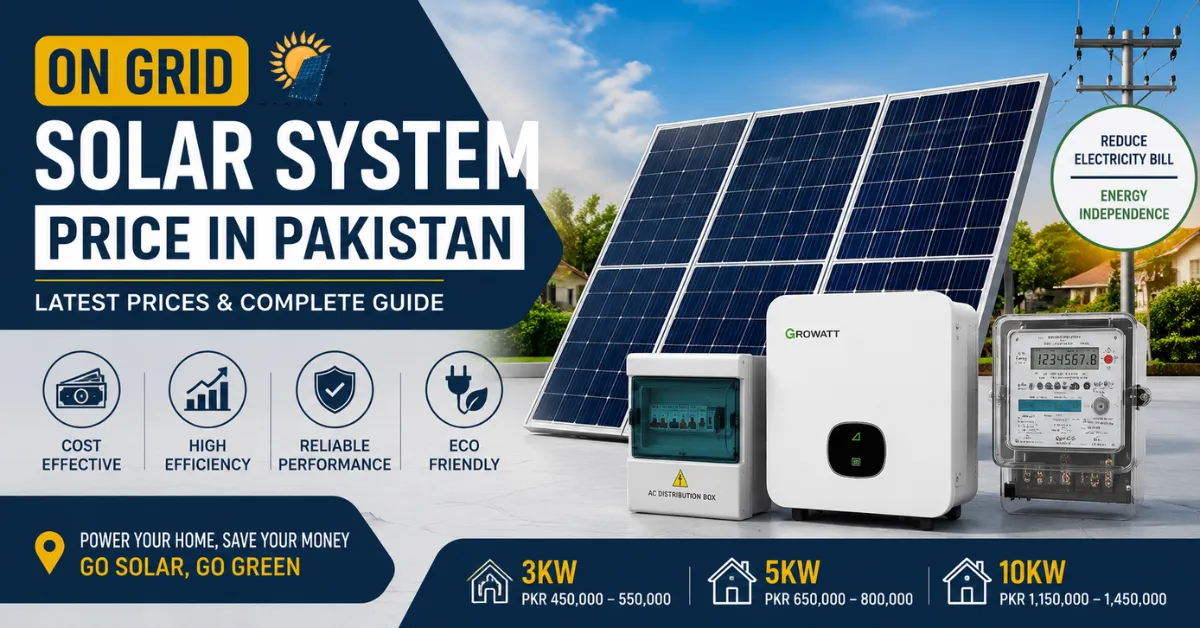
On-Grid Solar System Price in Pakistan 2026 – Packages & Installation Cost
Electricity bills in Pakistan keep climbing, and more homeowners and businesses are turning to solar energy for relief. Among the available options, on-grid solar systems remain the most affordable and popular choice because they connect directly to the WAPDA/DISCO grid and don’t require expensive batteries. If you’re planning to install one, this guide breaks down the on-grid solar system price in Pakistan, the factors that affect cost, and what recent net metering policy changes mean for your savings.
What Is an On-Grid Solar System?
An on-grid (grid-tied) solar system is directly connected to the national power grid. During the day, solar panels power your home, and any surplus electricity is exported to the grid. At night or on cloudy days, you draw power back from the grid as usual. Because there’s no battery involved, on-grid systems are cheaper to install and have fewer components to maintain compared to hybrid or off-grid setups.
Read More: Solar System on Installments in Pakistan 2026 – Easy Monthly Installment Plans
Key advantages:
Limitation: On-grid systems shut down automatically during a grid outage (load shedding), since they lack battery backup and are designed with anti-islanding protection for safety.
On-Grid Solar System Price in Pakistan by System Size (2026)
Prices vary by installer, panel brand, inverter quality, and mounting structure, but here’s a realistic market range based on current 2026 rates:
| System Size | Estimated Price Range (PKR) | Suitable For |
|---|---|---|
| 3 kW | 350,000 – 450,000 | Small homes, apartments, low usage |
| 5 kW | 600,000 – 800,000 | Average household with 1 AC, fridge, fans |
| 6 kW | 550,000 – 900,000 | Medium homes, 2 ACs during the day |
| 8 kW | 835,000 – 1,000,000 | Larger homes with higher daytime load |
| 10 kW | 1,000,000 – 1,300,000 | Big houses or small commercial spaces |
| 15 kW | From 1,450,000 | Commercial / high-consumption homes |
| 20 kW+ | From 1,900,000 | Commercial and industrial setups |
Note: These are turnkey, installed prices including Tier-1 panels, inverter, mounting structure, wiring, protection devices, and net metering paperwork. Prices shift with the USD/PKR exchange rate and vary between installers, so always request an itemized quote.
Read More: Best RV Solar Panel Kit with Battery and Inverter for Off-Grid Camping
What Affects the Price of an On-Grid Solar System?
Several factors determine where your final quote lands within these ranges:
1. Solar Panel Brand and Type
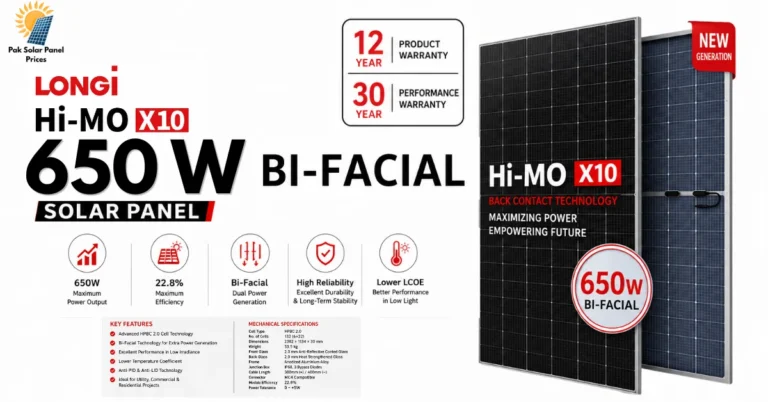
Tier-1 N-type TOPCon panels from brands like Jinko, LONGi, Canadian Solar, JA Solar, and Trina currently cost roughly PKR 24–35 per watt in the retail market, though bulk installer rates run lower. Panel cost typically makes up 35–45% of total system price.
2. Inverter Brand and Capacity
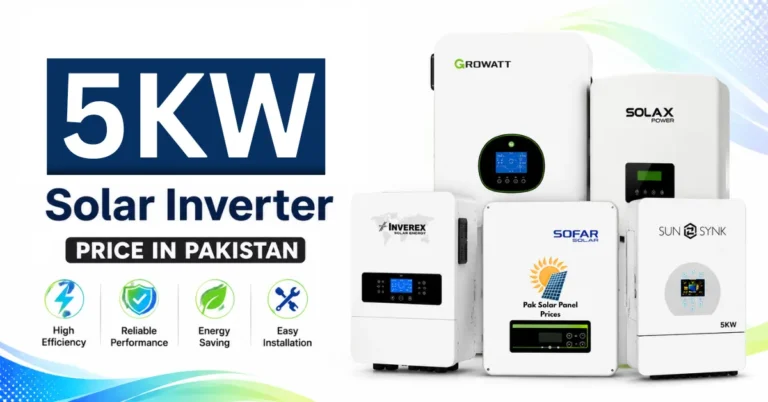
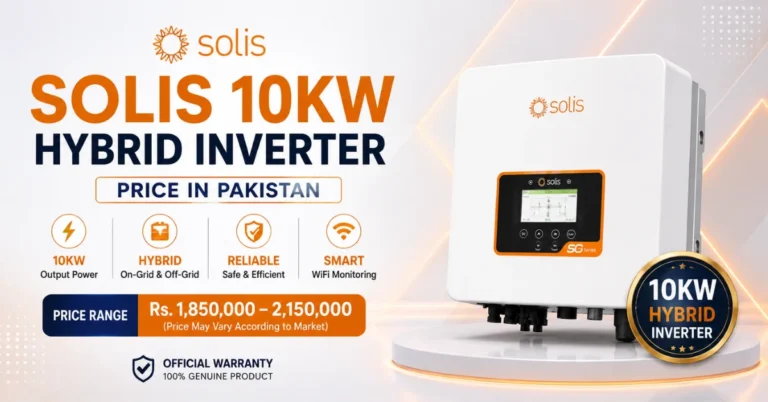
Budget on-grid inverters (Solis, Growatt entry models) cost less, while premium brands like Huawei and GoodWe cost more but offer better efficiency and longer warranties. A 5kW on-grid inverter can range from roughly PKR 120,000 upward depending on brand.
3. Mounting Structure
Standard ground/flush-mount structures are cheaper. Elevated structures (needed for shaded roofs or space optimization) add extra cost per panel.
4. Installation Complexity
Roof height, wiring distance, and site accessibility all affect labor costs. Remote areas may also add 7–11% in delivery and logistics surcharges.
5. Net Metering Application Costs
A bidirectional smart meter, DISCO application fees, and NEPRA concurrence charges are typically bundled into the total system price by most installers.
Important Update: Net Metering Has Changed in 2026
If you’re budgeting for solar, it’s critical to understand recent regulatory changes. In February 2026, NEPRA (National Electric Power Regulatory Authority) notified new Prosumer Regulations 2026, replacing the older net metering framework with a net billing system for new applicants.
What changed:
- Under the old system, exported and imported electricity were valued equally (1 unit exported = 1 unit off your bill).
- Under the new net billing system, new solar applicants are paid a much lower buyback rate for exported electricity discussed at roughly Rs. 10–11 per unit, down from the earlier Rs. 25–26 per unit while imported grid electricity is still billed at full retail rates.
- The standard contract term was also reduced from seven years to five years for new applicants.
Existing consumers: who had a valid net metering agreement before 2026, continue under their original terms (1:1 netting) until their contract expires, following a Prime Minister-directed rollback that protected already-registered users.
What this means for you: If you’re installing a new on-grid system in 2026, your financial return will now depend more heavily on self-consumption (using solar power directly during the day) rather than exporting surplus units to the grid. Sizing your system to match your actual daytime usage — rather than maximizing export is now the smarter strategy.
Read More: Tiger Solar Inverter Price in Pakistan 2026 – Today Updated Price List
On-Grid vs. Hybrid: Which Should You Choose?
| Feature | On-Grid | Hybrid |
|---|---|---|
| Upfront Cost | Lower | Higher (adds battery cost) |
| Works During Load Shedding | No | Yes |
| Net Metering Eligible | Yes | Yes |
| Best For | Areas with stable grid supply | Areas with frequent outages |
If your area has reliable grid supply and your main goal is reducing electricity bills, an on-grid system offers the fastest payback. If load shedding is frequent in your area, a hybrid system with battery backup may be worth the extra investment despite the higher cost.
Estimated Payback Period
For a typical 5kW on-grid system generating 22–26 units per day, most homeowners can expect payback within roughly 3–5 years under the new net billing rates, assuming strong daytime self-consumption. This is longer than the 2–3 year payback commonly seen under the old net metering rules, but solar remains significantly cheaper than grid electricity over a 10-year horizon, especially as WAPDA tariffs continue rising annually.
Read More: Solar Panel for 1.5 Ton AC in Pakistan 2026 – Panels Required, System Size & Cost
Tips Before You Buy
- Get multiple quotes from at least 3 installers and compare itemized breakdowns, not just headline prices.
- Verify panel and inverter specifications ask for datasheets, not just wattage numbers.
- Choose AEDB-certified installers to ensure your net metering/net billing application is processed without delays.
- Check warranty terms look for 25-year panel performance warranties and at least 5–10 years on inverters.
- Size your system around daytime consumption, not just your monthly bill, since export rates are now much lower.
- Confirm SPD (surge protection) inclusion on both AC and DC sides DISCOs require this for commissioning approval.

 Join Channel