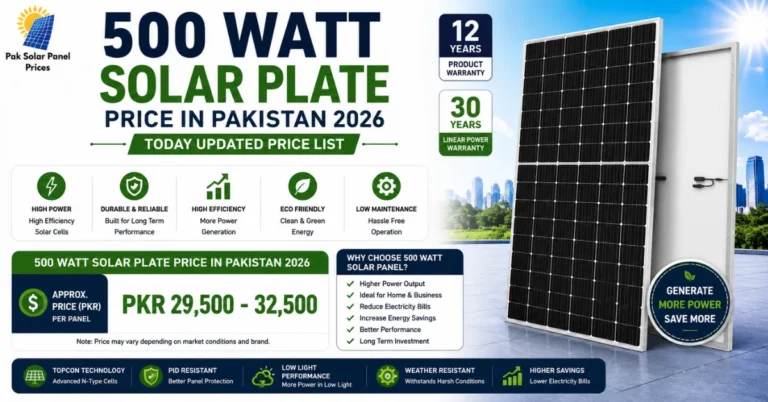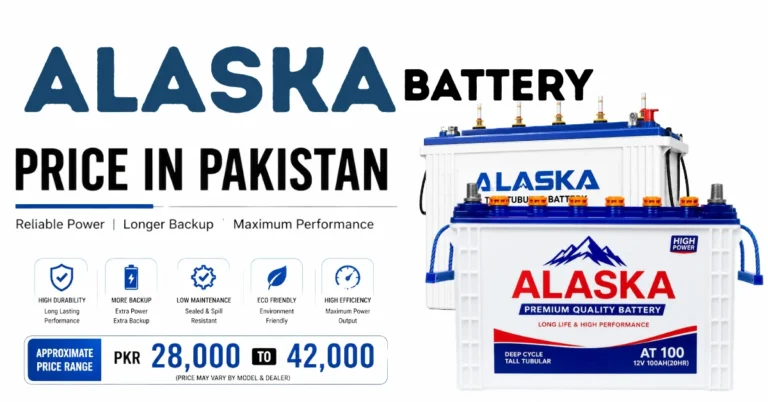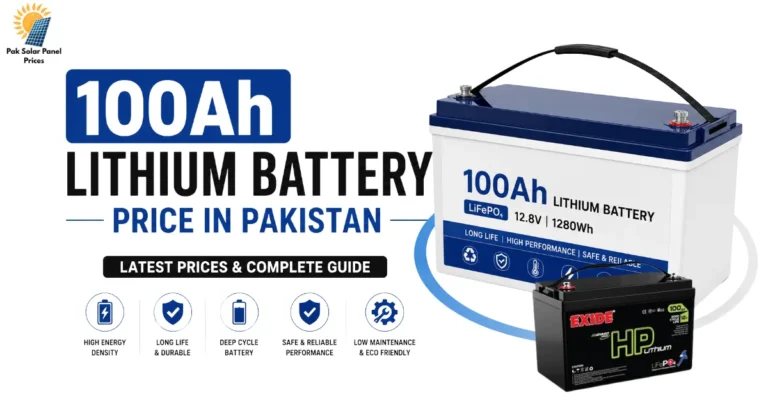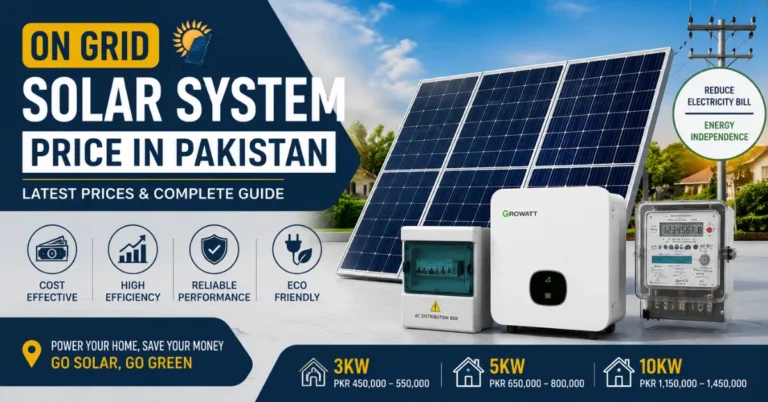

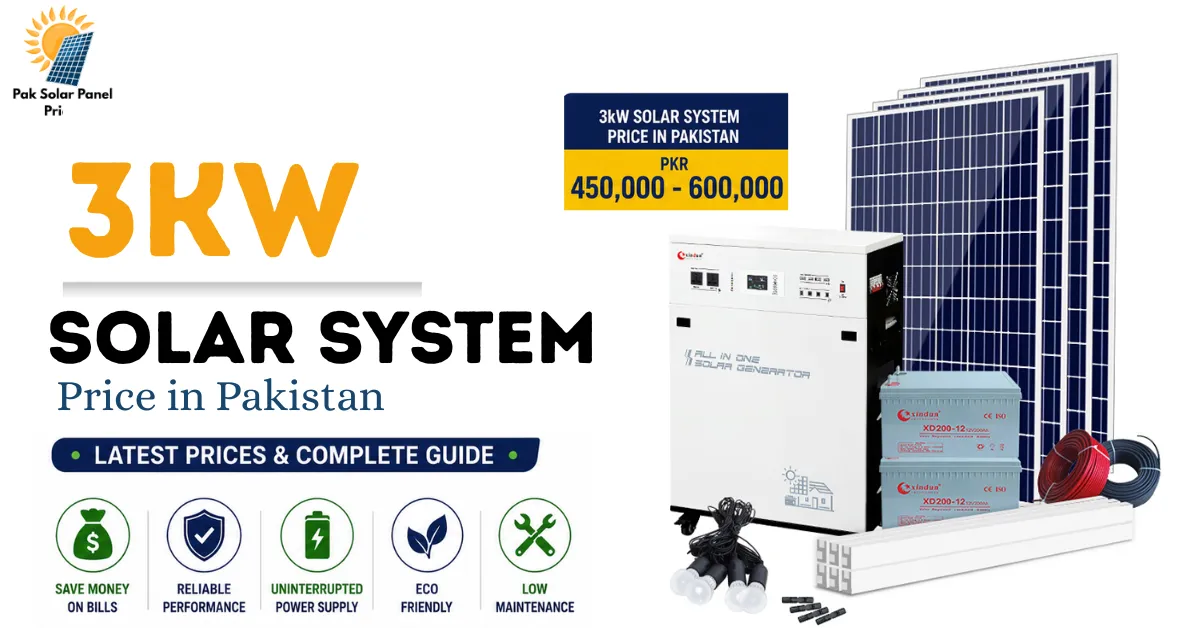
3kW solar system price in Pakistan with solar panels, inverter, batteries and complete installation kit (2026)
|

3kW Solar System Price in Pakistan 2026 – Latest Cost & Complete Price List

If your electricity bill keeps climbing every month and load shedding is still part of your routine, you’ve probably already searched for solar prices. A 3kW solar system is usually the first size people look at, because it fits small to medium homes without asking for a huge budget upfront. 3kW solar system guide breaks down what a 3kW System actually costs right now, what’s included in that price, and what you can realistically run on it.

How Much Does a 3kW Solar System Cost Right Now?

Prices are not fixed across the market, and that’s normal. Depending on which installer you talk to, a 3kW solar system in Pakistan currently costs somewhere between PKR 280,000 and PKR 700,000. That’s a wide range, so here’s why it moves so much:

  • A basic on-grid setup with entry-level panels and inverter sits closer to the PKR 280,000–400,000 mark.
  • A hybrid system (the type most people in Pakistan actually install) with a standard inverter and no batteries usually lands around PKR 400,000–450,000.
  • Add tubular or lead-acid batteries for backup, and the total climbs to roughly PKR 500,000–550,000.
  • Go for premium brands and lithium batteries, and you’re looking at PKR 650,000–850,000.

Read More: 5kW Solar System Price in Pakistan 2026 – Latest Price & Installation Cost
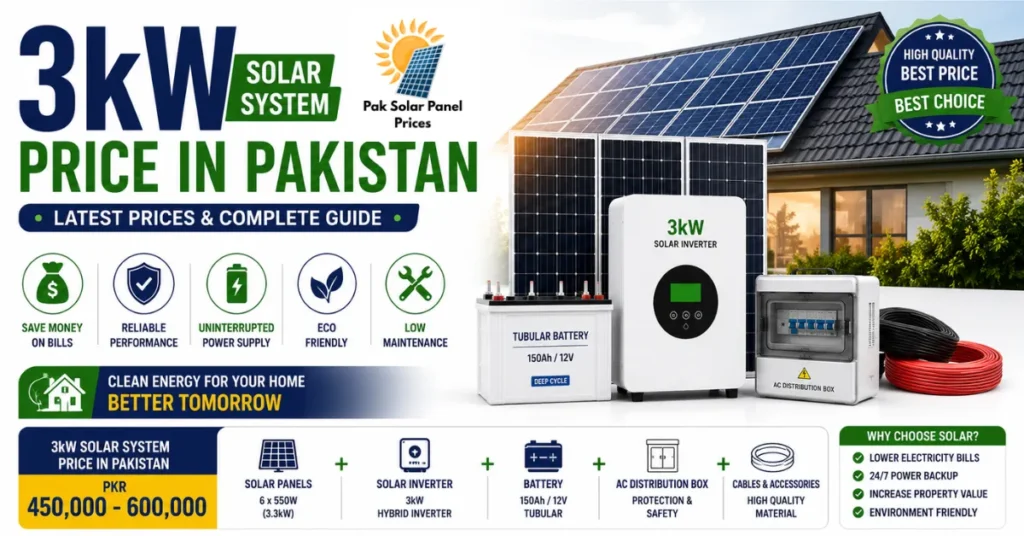
Rates shift almost every month because most components panels, inverters, batteries are priced against the dollar. A jump in the exchange rate or import duty can change the final number within weeks, so treat any figure as a starting point and get a fresh quote before you commit.

3kW solar system price in Pakistan with inverter, battery, solar panels and complete installation kit.
Complete 3kW solar system setup with latest prices, inverter, battery and solar panels for Pakistani homes.

3kW Solar System Price Range

Solar Panels

5-6x 550-615W Tier-1 mono PERC / N-type (LONGi, Jinko, Canadian, JA, Trina)

PKR 1.30 – 1.65 Lakh

Inverter (On-Grid)

3kW string inverter — on-grid (Solis/Growatt/GoodWe entry tier) for on-grid

PKR 90,000 – 140,000

Mounting Structure

Galvanized iron / aluminum mounting structure for 5-6 panels

PKR 25,000 – 45,000

Wiring & BOS

DC/AC cabling (FAST/Newage/Pakistan Cable), DC/AC breakers, surge protection, earthing kit

PKR 20,000 – 40,000

Net Metering Filing

DISCO filing + bidirectional meter + processing fees

PKR 30,000 – 60,000

Installation & Labor

Labor, transport, commissioning, 1-year service

PKR 25,000 – 45,000

Total Turn-key On-Grid 3kW

PKR 4 – 5 Lakh

Battery (hybrid only)

5kWh LFP lithium (Dyness/Pylontech tier) — hybrid only. Lower bound is single 5.12kWh lithium tower; upper is BYD-tier.

PKR 1.6 – 2.2 Lakh

Total Turn-key Hybrid 3kW (with lithium battery)

PKR 6.5 – 8.5 Lakh

What’s Actually Included in the Price?

A complete 3kW package usually bundles together:

  • Solar panels – Most setups use 5 to 6 panels rated between 540W and 585W each. Cheaper systems sometimes use more, smaller panels instead.
  • Inverter – Converts the DC power from panels into usable AC electricity. On-grid inverters are cheaper; hybrid ones cost more but let you add batteries later.
  • Mounting structure – The frame that holds panels on your roof, usually made of galvanized iron.
  • Wiring, breakers, and accessories – Cables, circuit protection, and the small parts installers rarely mention upfront but that add to the bill.
  • Batteries (optional) – Only needed if you want backup power during outages. On-grid systems skip this entirely and rely on net metering instead.
  • Installation labor – Usually included in the quoted price, but always confirm this before paying.

Read More: 10kW Solar System Price in Pakistan 2026 – Latest Price List

3kW Solar System Monthly Generation and Savings

Karachi

5.5

386

Lahore

5.0

351

Islamabad

5.2

365

Rawalpindi

5.2

365

Faisalabad

5.5

386

Multan

5.5

386

Peshawar

5.0

351

Hyderabad

5.5

386

Gujranwala

5.3

372

Bahawalpur

5.7

400

Sialkot

5.3

372

Quetta

5.8

407

Sahiwal

5.5

386

Which One Should You Pick On-Grid vs Hybrid?

This is the decision that affects your price the most.

On-grid Systems

On-grid Systems connect directly to the WAPDA/DISCO grid and work with net metering extra units you generate get credited against your bill. There’s no battery, so no power at night once the grid goes down. This option suits areas with light or no load shedding.

Hybrid Systems

Hybrid systems can run with or without the grid and support battery backup. If your area sees frequent outages, this is the safer bet, even though it costs more upfront. Most homes in Pakistan end up choosing hybrid for exactly this reason.

What a 3kW System Can Run?

Lights (15× 9W LED)

135 W

6 hrs

Ceiling fans (4× 75W)

300 W

12 hrs

Fridge (medium inverter)

150 W avg

24 hrs

TV + computer

200 W

6 hrs

1.5 ton inverter AC (day-only)

1,200 W

4 hrs

Total daily load

How Much Electricity Does a 3kW System Actually Produce?

Under normal sunlight, a 3kW Solar System generates around 12 to 15 units (kWh) per day, which adds up to roughly 350–450 units a month. That’s enough to cover the average electricity use of a small household consuming 300–400 units monthly.

What Can You Run on a 3kW System?

A properly sized 3kW setup comfortably handles:

  • All the lights and fans in a small to medium home
  • A refrigerator
  • A washing machine
  • An LED TV and internet router
  • One 1-ton inverter AC, used for a few hours during the day

Read More: 20kW Solar System Price in Pakistan 2026 – Latest Price Guide

How Long Until It Pays for Itself?

Most 3kW Solar System installs in Pakistan recover their cost within 2.5 to 5 years, depending on your electricity tariff slab and how much of the generated power you actually use during the day. On-grid systems with net metering tend to pay back a little faster than hybrid setups, simply because they cost less to install in the first place. After that payback period, the savings keep adding up for the remaining 20+ years of the panels’ working life.

What Changes the Price From One Quote to Another?

A few things explain why two installers can quote very different numbers for the “same3kW Solar System:

  1. Panel grade – A-grade panels cost more than B-grade but last longer and perform better in the long run.
  2. Inverter brand – Names like Growatt, Solis, Inverex, and Huawei sit at different price points, with premium brands offering better monitoring and after-sales support.
  3. Battery type – Lead-acid batteries are cheaper but need replacement every 3–5 years; lithium costs more upfront but lasts 10–15 years with less maintenance.
  4. City and site conditions – Transport costs, roof type, and local competition among installers all nudge the price up or down.
  5. Season – Prices tend to rise slightly during peak summer months when demand for solar spikes.

Net Metering Rules Have Changed in 2026

This is something a lot of older solar guides still get wrong, so it’s worth clearing up. For years, net metering in Pakistan worked on a simple one-for-one basis: every unit you exported to the grid cancelled out one unit you later imported, at the same rate.

That changed in early 2026. NEPRA replaced the old net metering framework with a new “net billing” system under the Prosumer Regulations, 2026. Under the new setup, the units you export are bought back at a separate, lower rate, while the electricity you pull from the grid is still charged at the full retail tariff so it’s no longer a straight swap. The buyback rate has moved around quite a bit as the policy has been revised through the year, so it’s worth confirming the current figure with your DISCO or installer before you finalize your system size.

A few practical points worth knowing:

  • If you already had a net metering agreement before the new rules came in, your existing contract terms continue to apply until it expires you’re not automatically switched over.
  • The licensing fee that was briefly introduced for small systems was later withdrawn for systems under 25kW, so smaller homeowners don’t need to worry about that extra cost.
  • Because exported units now earn less than they used to, oversizing your system “just in case” makes less financial sense than before. The smarter approach in 2026 is sizing your system close to your actual daytime consumption and using more of what you generate yourself, rather than counting on exporting the surplus.
  • Net metering still requires a three-phase connection and NEPRA-approved equipment; single-phase households need a meter upgrade before applying.

Popular Brands Installers Recommend for a 3kW Solar System Setup

Brand choice affects both price and reliability. Based on what’s commonly used across residential 3kW Solar System installs in Pakistan:

  • Panels: Longi, Jinko, Canadian Solar, JA Solar, and Trina are the common Tier-1 names.
  • Inverters: Growatt, Solis, and Inverex dominate the budget-to-mid segment; Huawei and Sungrow sit at the premium end with better monitoring features.
  • Batteries: Tubular/lead-acid batteries remain the budget choice, while lithium (LiFePO4) brands like Pylontech and Dyness are increasingly common for hybrid setups that need a longer battery life.

Read More: 50kW Solar System Price in Pakistan 2026 – Latest Commercial Price List

Can You Buy on Installments 3kW Solar System?

Yes several banks and solar vendors in Pakistan now offer financing plans for residential systems. As a rough guide, a system priced around PKR 500,000 typically works out to:

  • 3-year plan: roughly PKR 14,000–17,000/month
  • 5-year plan: roughly PKR 9,500–12,000/month
  • 7-year plan: roughly PKR 8,000–10,000/month

Is a 3kW Solar System Right for You?

It’s a good fit if your monthly bill falls in the PKR 20,000–30,000 range and your household runs standard appliances rather than heavy machinery. If you’re planning to add more ACs, a water pump, or expect your family size and electricity use to grow soon, it’s worth comparing against a 5kW system before you finalize anything. Oversizing slightly now is often cheaper than upgrading a system later.

Latest Post

Conclusion

There’s no single “correct” price for a 3kW solar system in Pakistan it depends entirely on the components you choose and the installer you go with. Use the ranges above as a benchmark, ask for a detailed, itemized quote (not just a lump sum), and confirm the warranty terms on panels and inverters before you sign anything. A little homework at this stage saves a lot of frustration later.

FAQs

Roughly 180–200 square feet of unshaded roof about the size of a single-car garage arranged in two rows of three panels.

No, it’s optional. On-grid systems skip the battery entirely and rely on the grid itself as backup during the day. Add one only if you need power during outages.

It can run one small inverter AC for a few hours, not continuously alongside other heavy appliances. For all-day AC use, most installers recommend stepping up to 5kW.

Similar Posts

Leave a Reply

Your email address will not be published. Required fields are marked *