
What Is Solar Power? Complete Guide 2026
Solar energy is the form of energy in the form of electricity obtained from the sun’s rays. It is considered as one of the most common forms of renewable energy because of the availability of sunlight and the fact that it does not need to be burned to produce energy. Some of the technologies used in the production of solar energy include solar thermal technology and photovoltaic technology.
Solar energy has been gaining popularity in homes, businesses, industries, and farms. In Pakistan, the use of solar energy is more useful for cutting down on the dependency on electricity from the grid system.
How Does Solar Power Work?
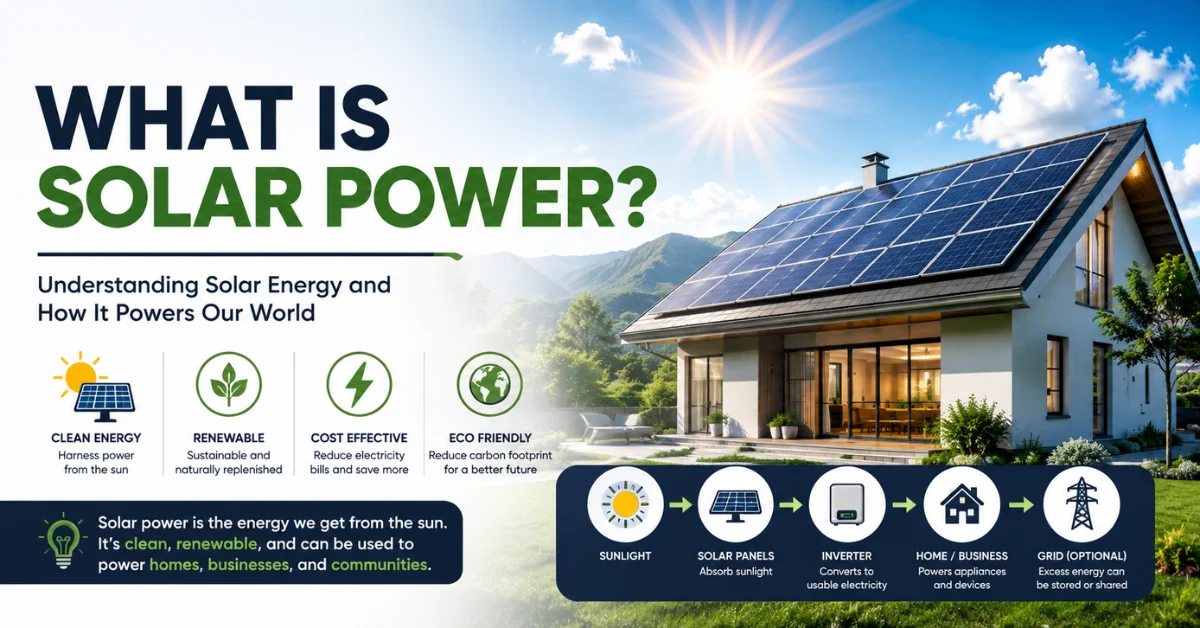
Solar power generation is a process through which energy from the sun is harnessed and converted into electricity and heat.
In a solar power plant, for example, solar power hits solar panels made up of photovoltaic cells that generate direct current (DC).
This electricity is transformed into alternating current (AC) using an inverter. AC is utilized by various devices such as electrical appliances in homes, offices, shops, and factories among others.
A basic solar power system includes:
- Solar panels
- Solar inverter
- Mounting structure
- DC and AC cables
- Protection equipment
- Electricity meter
- Battery storage when required
Read More: Off-Grid Solar System Price in Pakistan – Packages & Installation Cost 2026
What Is Solar Energy?
Solar energy entails energy that is derived from the sun. The energy can be harnessed to produce electricity, heating of water, agriculture, and powering different pieces of machinery.
Solar energy is termed as renewable since the sunlight is produced continually by the sun.
Types of Solar Power Systems
There are three types of solar power systems in general.
On-Grid Solar System
The on-grid solar system is connected to the electricity grid. The system generates electricity during the daytime, and then the property can use the electricity from the grid when there is not enough solar electricity.
On-grid systems usually do not use batteries; therefore, they are cheaper than some battery systems.
Off-Grid Solar System
The off-grid solar system works independently from the electricity grid. Usually, such system stores electricity produced by solar panels during the daytime.
Such systems are suitable for remote areas where electricity from the grid is not available or reliable.
Hybrid Solar System
In hybrid systems, there are solar panels, batteries and the electricity grid. During the day, you can use solar energy, excess energy can be stored in batteries and used later if there is no sun and electricity from the grid.
Such systems are good for people who want to save money on electricity and have back-up power source.
Read More: SolarMax Inverter Price in Pakistan 2026 – Latest Models & Today Price List
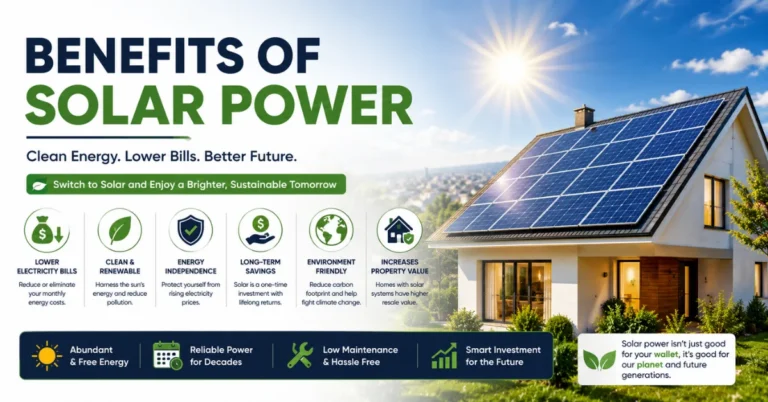
Advantages of Solar Power
There are some benefits of using solar power at homes or workplaces.
- Reduced Electricity Bill: The electricity generated from the sun can decrease the electricity consumption from the grid system.
- Renewable Resource: The sun’s light is an unlimited source and hence renewable.
- Operational Costs: Once installed, the cost of operation and maintenance of solar cells is relatively low.
- Backup Electricity: A hybrid or an off-grid system of solar cells can serve as a backup of electricity in case there is no electricity from the grid.
- Utility in Remote Places: Solar power can be used in places where the conventional system of electricity cannot reach.
- Environmentally Friendly: The process of producing electricity from the sun does not involve any burning of fossil fuels unlike other forms of electricity production.
Solar Power in Pakistan
Pakistan receives substantial sunlight across many regions, making solar energy a practical option for residential, agricultural, commercial, and industrial applications.
Solar systems are commonly installed for:
- Homes
- Shops
- Offices
- Schools
- Farms
- Tube wells
- Factories
- Hospitals
- Commercial buildings
Solar Power for Homes
Residential solar systems can be designed according to a household’s electricity consumption. Small systems can support basic appliances, while larger systems can operate heavier loads.
A home solar system may power:
- Fans
- Lights
- Refrigerators
- Televisions
- Computers
- Water pumps
- Washing machines
- Air conditioners
Read More: SAJ Solar Inverter Price in Pakistan 2026 – Latest Models and Today Price List
Solar Power for Businesses
Businesses can use solar energy to reduce operating expenses and protect against electricity interruptions.
Commercial solar systems are commonly used by:
- Offices
- Retail stores
- Restaurants
- Warehouses
- Manufacturing facilities
- Schools
- Agricultural businesses
Solar Power for Agriculture
Solar energy is also useful in agriculture. Solar-powered water pumps can provide an alternative to conventional electricity or diesel-powered pumping systems.
Solar systems can support:
- Water pumps
- Irrigation
- Farm lighting
- Livestock facilities
- Agricultural machinery
Solar Power vs Traditional Electricity
| Feature | Solar Power | Traditional Grid Electricity |
|---|---|---|
| Energy Source | Sunlight | Mixed conventional sources |
| Renewable | Yes | Depends on source |
| Fuel Required | No | Often required |
| Operating Cost | Low after installation | Ongoing electricity bills |
| Night Generation | No without storage | Yes |
| Backup | Requires battery or grid | Grid dependent |
| Initial Investment | Higher | Lower |
| Maintenance | Generally low | Depends on utility system |
How Long Do Solar Panels Last?
Quality solar panels can typically operate for 25 years or longer. Their electricity output gradually decreases over time, but they can continue producing useful electricity for decades.
Other system components, particularly inverters and batteries, may need replacement sooner than the solar panels.
Read More: Best RV Solar Panel Kits with Battery and Inverter – How to Choose the Right One
Is Solar Power Worth It?
Solar power can be a worthwhile investment for households and businesses with suitable sunlight, adequate installation space, and significant electricity consumption.
The financial benefit depends on factors such as:
- Solar system price
- Electricity consumption
- Electricity tariff
- Solar generation
- Battery requirements
- Maintenance costs
- System lifespan
Conclusion
Solar energy is a renewable source of energy that generates electrical energy or heat energy from the sun. Solar panels, inverters, batteries, and other solar energy components interact to generate energy for use by households, businesses, farms, and factories.
While the implementation of solar power requires an investment at first, it helps in reducing cost of electricity, provides energy freedom, and is a cleaner way of generating energy compared to traditional methods of energy generation.
 Join Channel